





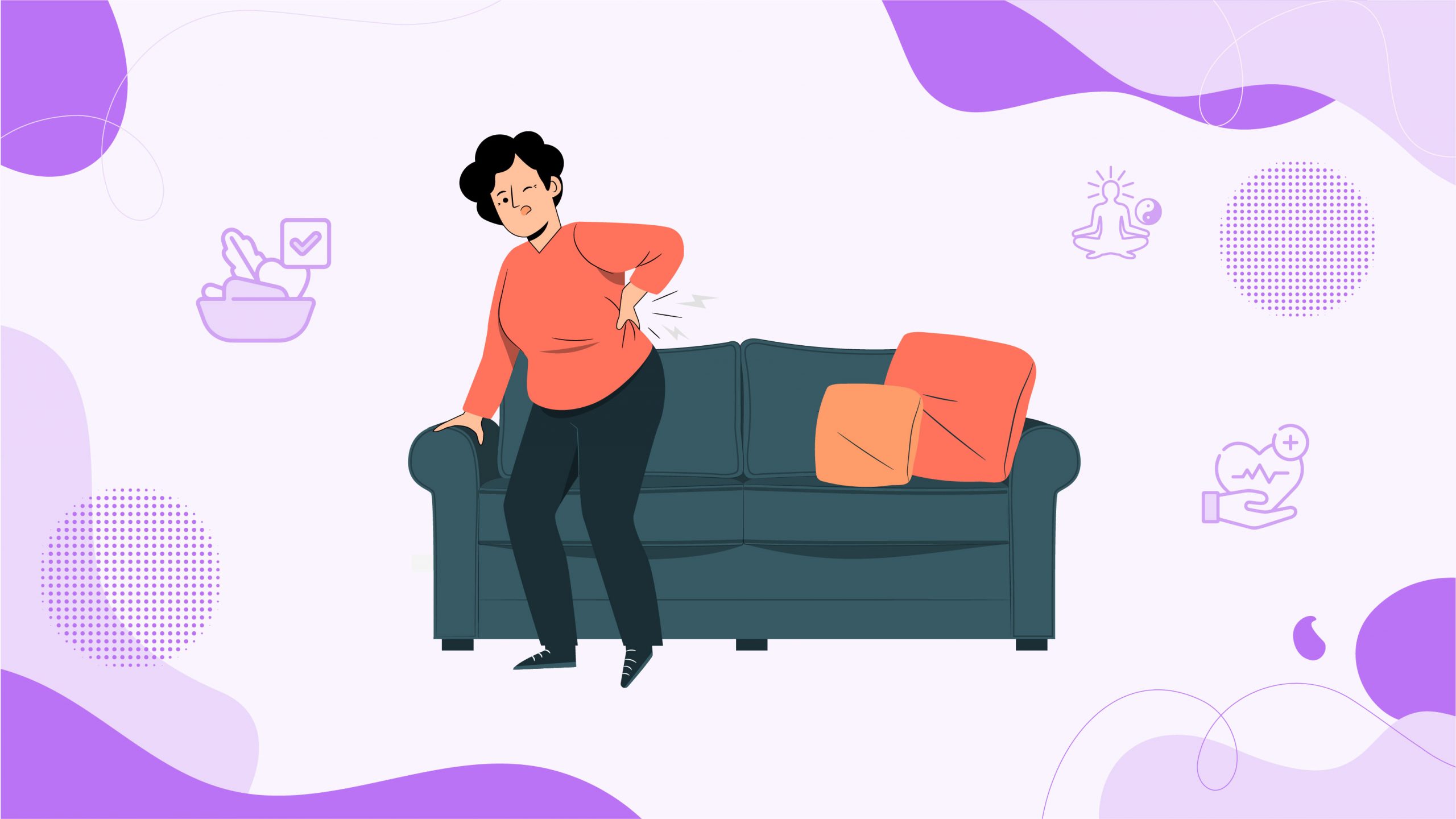





These are personal habits and routines that can influence your sleep. For example, your bedtime routine or how you manage stress can impact your sleep quality and chronotype alignment.
Behavioral factors are about the choices we make every day that affect our sleep. Think of them as the actions within your control that can either help or hinder your sleep patterns. For instance, if you stay up late watching TV or scrolling through your phone, you might be disrupting your sleep schedule and making it harder for yourself to fall asleep at a reasonable time.
To make behavioral factors work for you, start by creating a consistent bedtime routine that signals to your body it’s time to wind down. This could involve reading a book, taking a warm bath, or practicing relaxation techniques like deep breathing or meditation. Avoid caffeine and heavy meals before bed, as they can interfere with your ability to fall asleep.
Additionally, managing stress is crucial. Try incorporating stress-reducing activities into your daily routine, such as exercise, spending time in nature, or talking to a friend. By being mindful of these behaviors and making intentional choices, you can align your lifestyle with your natural sleep chronotype, leading to better sleep and overall health.
The Science Behind Behavioral Factors
- Bedtime Routine: Establishing a consistent bedtime routine is critical for signaling to your brain that it’s time to wind down. The routine helps regulate your body’s production of melatonin, the hormone responsible for inducing sleep. Engaging in calming activities, such as reading or taking a warm bath, can trigger the relaxation response in your body, making it easier to transition into sleep.
- Light Exposure: Light plays a significant role in regulating your circadian rhythm. Exposure to natural light during the day helps keep your internal clock aligned with the external environment. Conversely, exposure to artificial light, especially blue light from screens, in the evening can suppress melatonin production, making it harder to fall asleep. Limiting screen time before bed and using dim, warm lighting can help mitigate this effect.
- Diet and Substance Use: The timing and composition of your meals can influence your sleep. Eating a large meal close to bedtime can cause discomfort and disrupt sleep. Caffeine and nicotine are stimulants that can interfere with sleep onset and quality. Consuming these substances earlier in the day rather than in the evening can help improve sleep patterns.
- Stress and Anxiety Management: Stress and anxiety activate the sympathetic nervous system, increasing levels of cortisol, the stress hormone. Elevated cortisol levels can disrupt sleep by making it harder to fall asleep and stay asleep. Implementing stress-reduction techniques such as mindfulness meditation, progressive muscle relaxation, and regular physical activity can lower cortisol levels and promote better sleep.
- Physical Activity: Regular exercise is beneficial for sleep, as it helps regulate your body’s internal clock and promotes the production of sleep-enhancing chemicals like adenosine. However, the timing of exercise matters; vigorous physical activity too close to bedtime can increase arousal and delay sleep onset. Engaging in moderate exercise during the day, especially in the morning or afternoon, is most effective for improving sleep quality.
- Alcohol Consumption: While alcohol might help you fall asleep faster, it disrupts the sleep cycle, particularly REM (rapid eye movement) sleep, which is crucial for cognitive function and emotional regulation. Reducing or eliminating alcohol consumption, particularly in the hours leading up to bedtime, can lead to more restful and restorative sleep.
Practical Application: Aligning Behavioral Factors with Your Chronotype
To make behavioral factors work for you, it’s essential to tailor your habits to your sleep chronotype. For instance, if you are a night owl (Wolf chronotype), focus on winding down activities in the late evening rather than trying to force an early bedtime. Create a relaxing environment and routine that suits your natural tendencies. Similarly, early risers (Lion chronotype) should maximize their morning productivity while ensuring they follow a routine that allows for adequate wind-down time in the early evening.
By understanding the intricate relationship between your behaviors and your sleep patterns, you can make informed decisions that support your natural sleep chronotype. This alignment not only improves sleep quality but also enhances overall health, mood, and productivity.